
Drug Development Pipeline
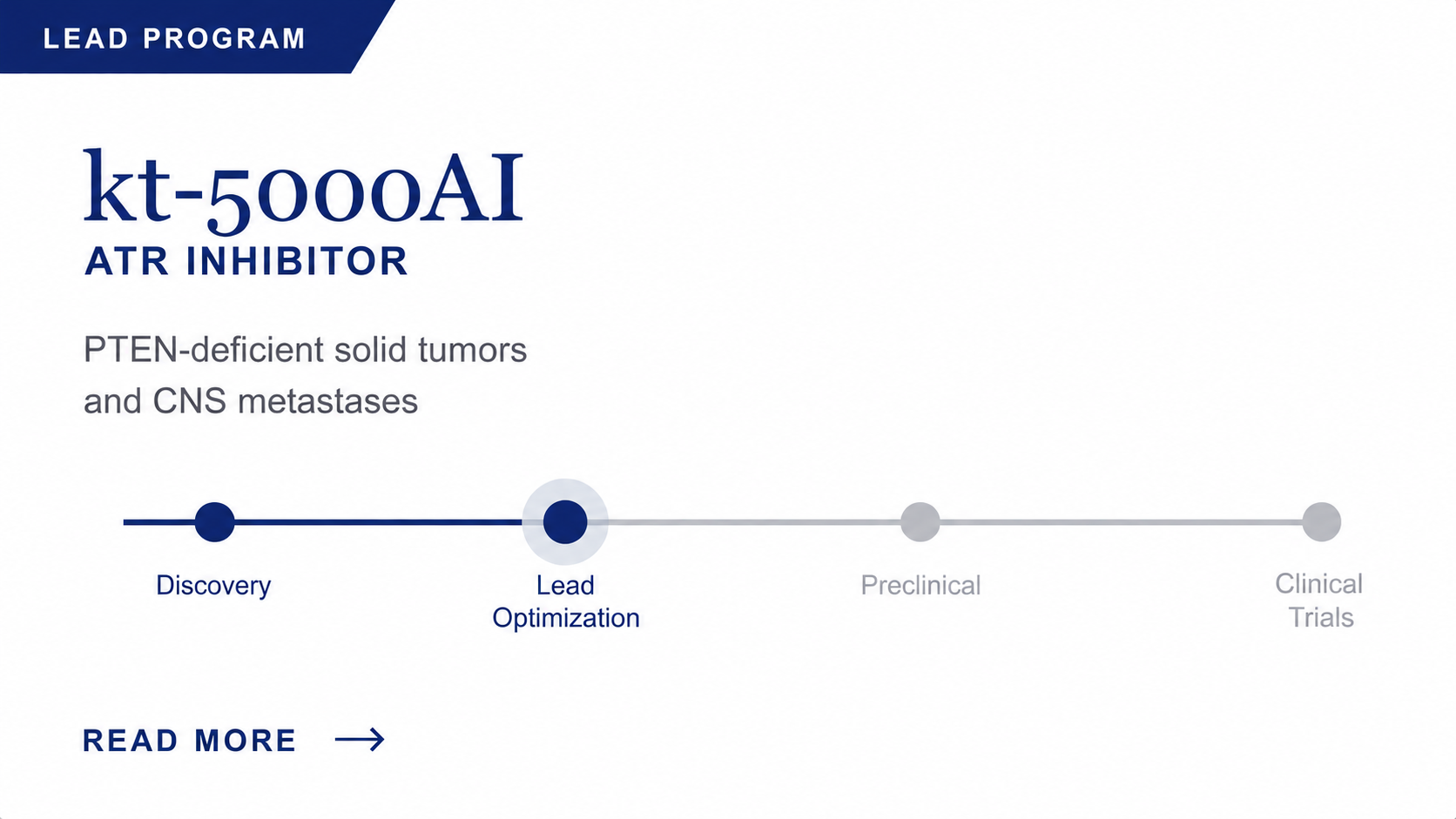
kt-5000AI: first-in-class CNS-penetrant ATR inhibitors
Ataxia telangiectasia and Rad3-related protein serine/threonine kinase (ATR) plays a crucial role in regulating DNA damage repair. ATR acts as a central “guardian” in the DNA damage response, helping cancer cells survive replication stress. Inhibition prevents this guardian from repairing the damaged DNA, thereby killing the cancer cell.
ATR inhibitors currently in clinical development have limited CNS-penetration and are therefore sub-optimal for the treatment of brain tumors and brain metastases. Rakovina is developing a library of ATR inhibitor compound drug candidates with CNS-penetration.
Additionally, several of Rakovina’s compounds are designed to co-inhibit ATR and mTOR in a single small molecule. Tumors with PTEN loss are often especially vulnerable to ATR inhibition, but PTEN deficiency can also activate mTOR as an alternative survival pathway, creating a potential escape route under ATR-only treatment. These compounds are also engineered for blood–brain barrier penetration, a critical unmet need in primary brain cancers and cancers with a high risk of brain metastasis.
Read our SNO 2025 data release highlighting AI-designed, CNS-penetrant ATR inhibitors, including enzymatic potency comparisons and CNS exposure findings: Rakovina Therapeutics Showcases Compelling Preclinical Data on AI-Discovered CNS-Penetrant ATR Inhibitors at SNO 2025.
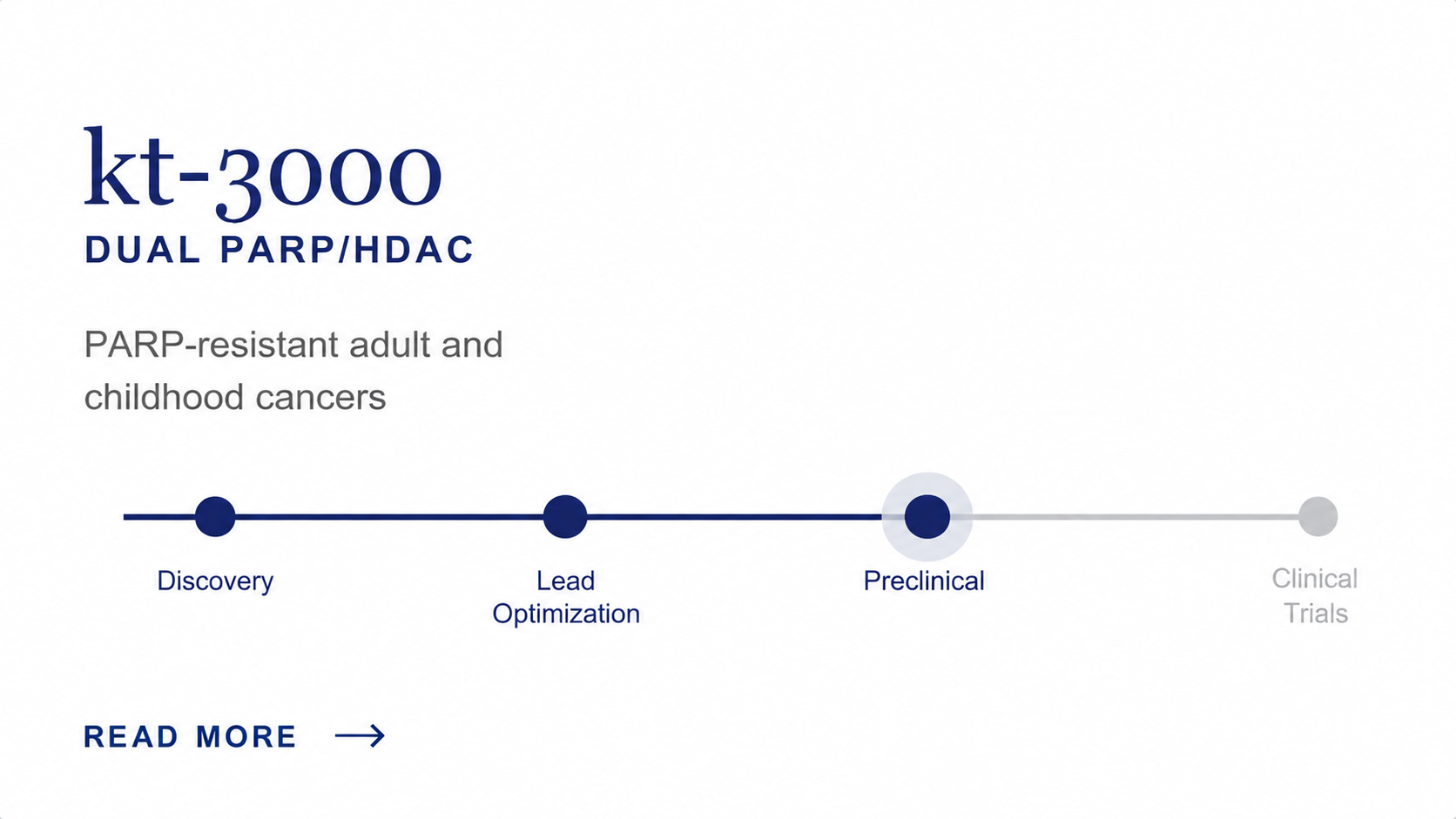
Deep Docking™ : AI Driven Discovery of Best-in-Class Cancer Therapies
Beyond the success of PARP inhibitors, the field of DNA-damage response inhibition has unveiled a wealth of promising targets for cancer treatment. The emergence of new targets provides a rich landscape of potential strategies poised to revolutionize the treatment of cancer.
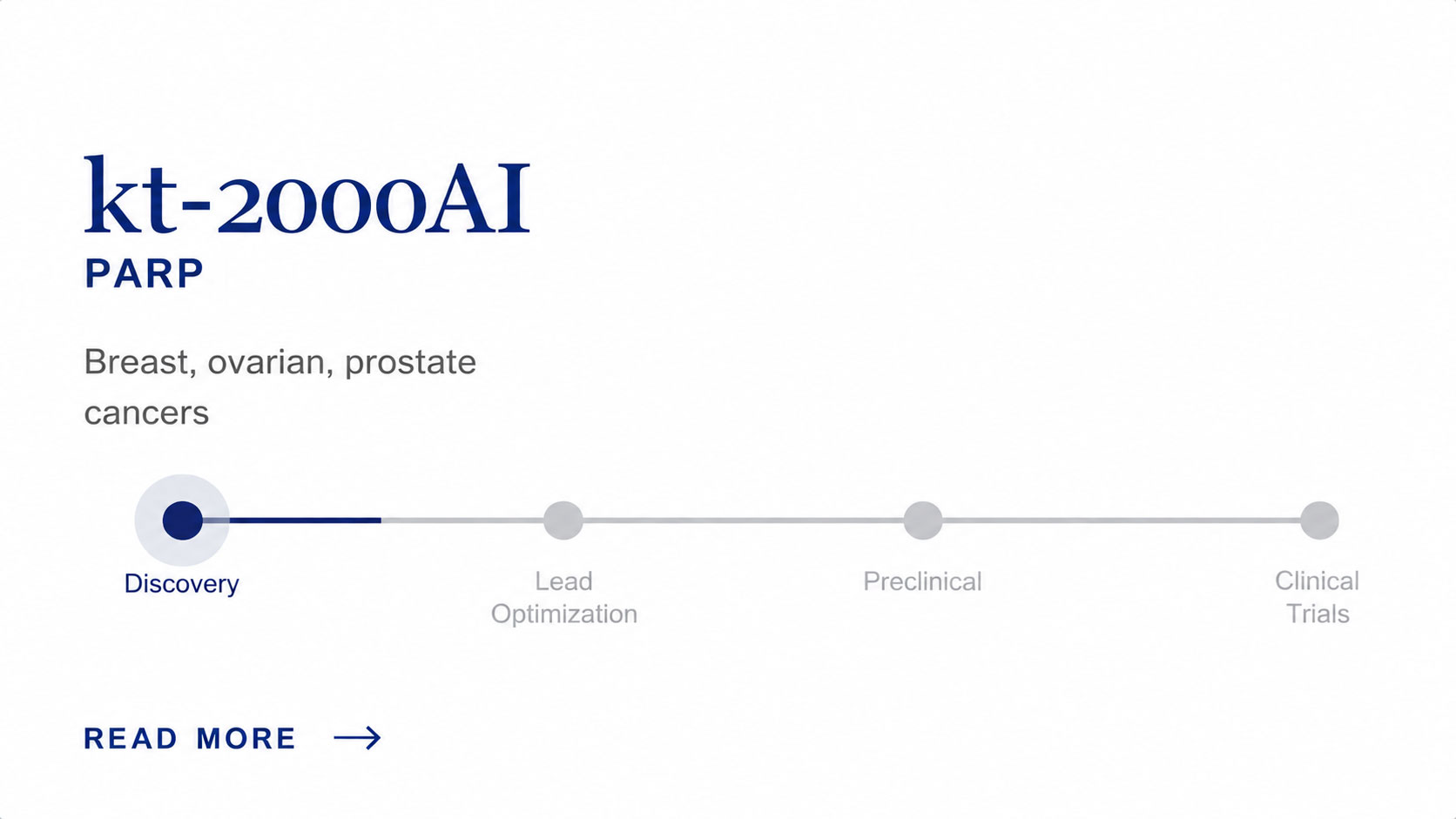
Rakovina Therapeutics is employing the proprietary Deep Docking AI Platform to rapidly screen billions of potential drug candidates against PARP (kt-2000AI) and other novel DDR targets to generate best-in-class drug candidates that can be advanced to human trials or developed in collaboration with pharmaceutical partners.